Hey there! I’m a supplier of anti-static fabric, and I often get asked about how the cost of anti-static fabric stacks up against regular fabric. Well, let’s dive right into it and break down the costs, benefits, and all that good stuff. Anti-static Fabric
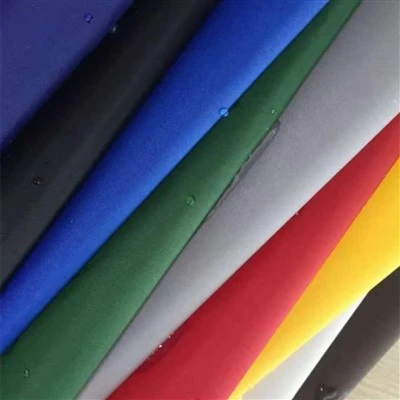
First off, let’s talk about what anti-static fabric is. Anti-static fabric is specially designed to reduce or eliminate static electricity. You know that annoying shock you get when you touch a metal doorknob or when your clothes stick to you? That’s static electricity. Anti-static fabric helps prevent that. It’s made with special fibers or treated with chemicals that dissipate static charges. On the other hand, regular fabric is just your run-of-the-mill textile, without any special anti-static properties.
When it comes to cost, anti-static fabric is generally more expensive than regular fabric. There are a few reasons for this. The first is the manufacturing process. Making anti-static fabric involves additional steps. For example, some anti-static fabrics are made by blending in conductive fibers like carbon or stainless steel. These conductive fibers are not cheap, and adding them to the fabric production process increases the cost. Other anti-static fabrics are treated with anti-static agents after they’re woven. These agents also add to the overall cost of production.
Another factor that contributes to the higher cost of anti-static fabric is the research and development that goes into it. Scientists and engineers have to figure out the best ways to make fabric anti-static, and that takes time, money, and resources. The companies that produce anti-static fabric have to recoup these costs, which is reflected in the price.
But just because anti-static fabric is more expensive doesn’t mean it’s not worth it. There are some real benefits to using anti-static fabric, especially in certain industries.
In the electronics industry, for example, static electricity can be a real problem. A small static discharge can damage sensitive electronic components. That’s why workers in electronics manufacturing plants often wear anti-static clothing. The cost of replacing damaged electronic parts can be much higher than the cost of using anti-static fabric. So, in this case, the investment in anti-static fabric is actually a cost-saving measure in the long run.
The healthcare industry also benefits from anti-static fabric. In hospitals, static electricity can attract dust and other particles, which can be a source of infection. Anti-static bedding, clothing, and other textiles can help keep the environment clean and reduce the risk of infection. Again, the cost of preventing infections is much lower than the cost of treating them, so anti-static fabric is a smart investment.
In the food industry, anti-static fabric can prevent the buildup of static electricity that can attract dust and debris to food products. This helps maintain the quality and safety of the food. So, even though the initial cost of anti-static fabric is higher, it can save money in the long term by reducing waste and ensuring product quality.
Let’s look at some numbers to give you a better idea of the cost difference. A yard of regular cotton fabric might cost around $5 to $10, depending on the quality. On the other hand, a yard of anti-static cotton fabric could cost anywhere from $15 to $30. That’s a significant difference, but as we’ve seen, the benefits can outweigh the cost.
It’s also important to note that the cost of anti-static fabric can vary depending on the type of fabric and the level of anti-static protection it offers. For example, anti-static fabrics with a higher level of conductivity will generally be more expensive than those with a lower level.
When you’re considering whether to use anti-static fabric or regular fabric, you need to think about your specific needs. If you’re just making a regular piece of clothing for everyday wear, regular fabric might be the way to go. But if you’re in an industry where static electricity can cause problems, anti-static fabric is definitely worth the extra cost.
One thing I often tell my customers is that they should look at the total cost of ownership. That means considering not just the initial cost of the fabric, but also the long-term costs and benefits. For example, if you’re using anti-static fabric in a manufacturing process, it might reduce the number of defective products, which can save you money on production costs.
Another thing to keep in mind is that the market for anti-static fabric is constantly evolving. As technology improves, the cost of producing anti-static fabric is likely to come down. So, in the future, we might see a more significant reduction in the price difference between anti-static fabric and regular fabric.
I know that cost is always a concern when you’re making a purchasing decision. But I really believe that anti-static fabric offers a lot of value, especially in certain industries. If you’re interested in learning more about anti-static fabric or if you’re thinking about making a purchase, I’d love to have a chat with you. We can discuss your specific needs and see if anti-static fabric is the right choice for you.
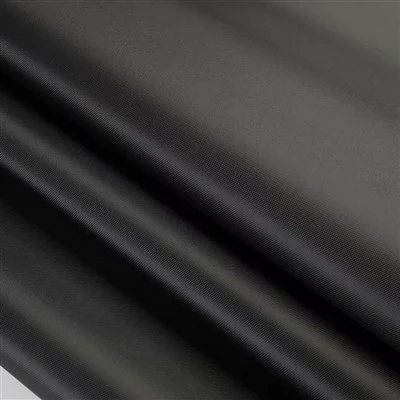
So, if you’re in the market for fabric and you’re wondering about the cost of anti-static fabric compared to regular fabric, give me a shout. I’m here to help you make the best decision for your business.
Fluorescent Fabric References:
- Textile Manufacturing Industry Reports
- Research Papers on Anti-static Materials
- Industry Case Studies on the Use of Anti-static Fabrics
Wujiang Jiashunxin Spray Weaving Co., Ltd.
As one of the most professional anti-static fabric manufacturers and suppliers in China, we’re featured by quality products and good service. We warmly welcome you to wholesale bulk customized anti-static fabric from our factory. If you have any enquiry about free sample, please feel free to email us.
Address: Xingli New Village, Lili Town, Wujiang District, Suzhou City, Jiangsu Province
E-mail: xuzhiqiang20260525@163.com
WebSite: https://www.shunbangfabric.com/
