Can electrofusion fittings be used for different pipe materials? Electrofusion Fittings
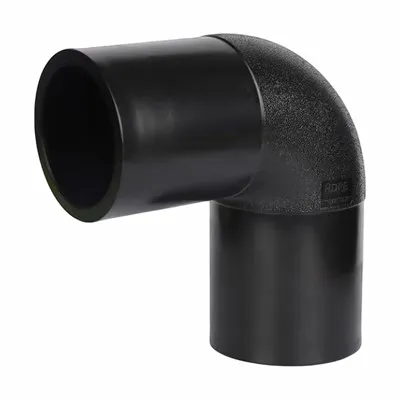
As a supplier of electrofusion fittings, I often encounter inquiries from customers about the compatibility of these fittings with various pipe materials. This is a crucial question, as the proper selection of fittings can significantly impact the performance, safety, and longevity of a piping system. In this blog, I will delve into the topic and provide insights based on my experience and industry knowledge.
Understanding Electrofusion Fittings
Before discussing their compatibility with different pipe materials, it’s essential to understand what electrofusion fittings are and how they work. Electrofusion fittings are designed to join pipes using an electrical current. They contain an embedded heating element, typically made of resistance wire, which, when energized, melts the inner surface of the fitting and the outer surface of the pipe. This molten material fuses together as it cools, creating a strong, leak – proof joint.
Compatibility with Different Pipe Materials
Polyethylene (PE) Pipes
Polyethylene pipes are the most common application for electrofusion fittings. PE is a thermoplastic polymer that has excellent chemical resistance, flexibility, and durability. Electrofusion fittings for PE pipes are specifically designed to match the physical and chemical properties of polyethylene. When the heating element in the fitting is activated, it melts the polyethylene on both the fitting and the pipe, forming a homogeneous joint. This joint is often stronger than the pipe itself, providing a reliable connection for various applications, such as gas distribution, water supply, and sewage systems.
The compatibility between electrofusion fittings and PE pipes is due to the similar melting points and molecular structures of the materials. As long as the fitting and the pipe are made from compatible grades of polyethylene (e.g., PE80 or PE100), a high – quality joint can be achieved.
Polypropylene (PP) Pipes
Polypropylene is another thermoplastic material used in piping systems, especially in applications where high – temperature resistance and chemical inertness are required. While electrofusion fittings can be used with PP pipes in some cases, there are some challenges. PP has a different melting point and molecular structure compared to PE. Therefore, electrofusion fittings for PP pipes need to be specifically engineered to match the properties of polypropylene.
The heating element in the fitting must be adjusted to provide the right amount of heat to melt the PP material without overheating or degrading it. Additionally, the surface preparation of the PP pipe is crucial. Any contaminants or oxidation on the pipe surface can prevent a proper fusion. With proper design and installation procedures, electrofusion fittings can create reliable joints for PP pipes in applications such as industrial chemical transfer and hot water systems.
Cross – Linked Polyethylene (PEX) Pipes
Cross – linked polyethylene pipes are known for their flexibility, resistance to scale and corrosion, and long service life. However, using electrofusion fittings with PEX pipes is more complex. PEX is a cross – linked polymer, which means its molecular structure is different from that of regular PE. The cross – linking process changes the melting behavior of the material.
Most standard electrofusion fittings for PE are not suitable for PEX pipes. Specialized electrofusion fittings designed for PEX have been developed, but they are less common in the market. These fittings need to be carefully engineered to ensure that the heat generated by the heating element can effectively fuse the PEX material without damaging its cross – linked structure.
Other Pipe Materials
For materials like PVC (Polyvinyl Chloride), metal pipes (such as steel or copper), and fiberglass pipes, electrofusion fittings are generally not used. PVC is a thermoplastic, but its chemical composition and melting behavior are very different from PE. The heat required to melt PVC can cause it to release toxic gases, and the resulting joint may not be strong or reliable.
Metal pipes have a much higher melting point than thermoplastics, and the electrofusion process is not designed to melt metals. Fiberglass pipes are composite materials, and their structure and properties are not compatible with the electrofusion joining method.
Factors Affecting Compatibility
Material Grade and Quality
As mentioned earlier, the grade of the pipe material is crucial for compatibility with electrofusion fittings. Different grades of the same polymer (e.g., different grades of PE) have different physical and chemical properties, such as density, melt flow rate, and molecular weight. Using a fitting designed for one grade of polymer with a different grade can lead to improper fusion and weak joints.
The quality of the pipe material also matters. Pipes with impurities, manufacturing defects, or improper storage can affect the fusion process. For example, if a PE pipe has been exposed to sunlight for a long time, its surface may be oxidized, which can prevent a good bond with the electrofusion fitting.
Surface Preparation
Proper surface preparation of the pipe before installation is essential for a successful electrofusion joint. The pipe surface must be clean, dry, and free of any dirt, grease, or oxidation. For PE and PP pipes, a scraper is often used to remove the outer layer, which may be oxidized or contaminated. This exposes a fresh surface that is more conducive to fusion.
In some cases, solvents may be used to clean the pipe surface, but care must be taken to ensure that the solvents do not leave any residues that could affect the fusion process.
Installation Conditions
The installation environment, including temperature and humidity, can also affect the performance of electrofusion joints. Most electrofusion fittings are designed to be installed within a specific temperature range. If the installation temperature is too low, the melting process may be incomplete, resulting in a weak joint. Conversely, if the temperature is too high, the material may overheat and degrade.
Humidity can also be a factor. High humidity can cause moisture to accumulate on the pipe surface, which can affect the fusion process and lead to the formation of voids or weak spots in the joint.
Advantages of Using Compatible Electrofusion Fittings
When electrofusion fittings are used with compatible pipe materials, several advantages can be achieved. Firstly, the joints are highly reliable. The fusion process creates a seamless connection that is resistant to leakage, even under high pressure. This is particularly important in applications such as gas pipelines, where leaks can be extremely dangerous.
Secondly, electrofusion joints are strong and durable. They can withstand mechanical stresses, such as vibration and bending, without coming apart. This makes them suitable for applications where the piping system may be subject to movement or external forces.
Finally, the installation process of electrofusion fittings is relatively quick and straightforward. Once the pipe surface is prepared, the fitting is simply slid onto the pipe, and the electrical connection is made. This reduces installation time and labor costs compared to other joining methods, such as welding or mechanical couplings.
How to Ensure Compatibility
As a supplier of electrofusion fittings, we offer several services to help our customers ensure compatibility. Firstly, we provide detailed product information and technical specifications for each of our fittings. These documents include information on the pipe materials that the fittings are designed for, as well as the recommended installation procedures.
We also offer technical support to our customers. Our team of experts is available to answer any questions regarding the selection and installation of electrofusion fittings. We can assist in determining the most suitable fitting for a specific pipe material and application, based on factors such as pressure rating, pipe diameter, and environmental conditions.
In addition, we supply test kits to our customers for quality control. These kits can be used to check the electrical performance of the fittings and to verify the integrity of the joints after installation.
Conclusion
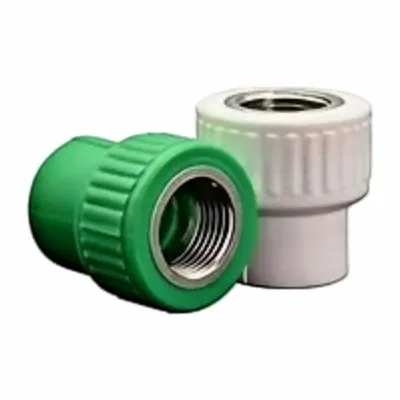
In conclusion, electrofusion fittings can be used for different pipe materials, but only when the fittings are specifically designed to match the properties of the pipe material. Polyethylene pipes are the most common application for electrofusion fittings, but with proper design and installation, they can also be used with polypropylene and cross – linked polyethylene pipes. Other materials, such as PVC, metals, and fiberglass, are generally not compatible with electrofusion fittings.
Butt Fusion Fittings If you are in need of electrofusion fittings and want to ensure compatibility with your pipe materials, we are here to help. Our wide range of products and expert technical support can assist you in finding the right solution for your piping system. Whether you are involved in a small – scale plumbing project or a large – scale industrial installation, we can provide the high – quality electrofusion fittings you need. Contact us to discuss your requirements and start a successful procurement process.
References
- "Plastic Pipes for Water Supply and Sewerage: Design and Installation," BSI Group
- "Handbook of Polyethylene: Structures, Properties, and Applications," Wiley
- Industry standards and guidelines from ASTM, ISO, and other relevant organizations.
Qingdao Polyfusion Machinery Co., Ltd.
As one of the most professional electrofusion fittings manufacturers and suppliers in China, we have world-leading production equipment and strong manufacturing capabilities. Please feel free to buy bulk high quality electrofusion fittings from our factory.
Address: Chengyang Industry Zone, Chengyang, Qingdao, Shandong, China
E-mail: export01@qdpolyfusion.com
WebSite: https://www.polyfusionfittings.com/
