Transporting a vertical machining center is a complex and crucial task that requires careful planning and execution. As a supplier of vertical machining centers, I have witnessed firsthand the challenges and importance of proper transportation. In this blog post, I will share my insights and experiences on how to transport a vertical machining center safely and efficiently. Vertical Machining Center
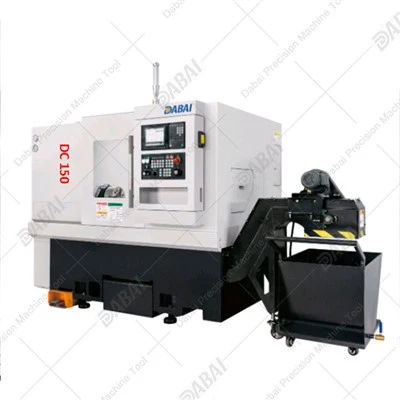
Pre – transport Preparation
Assessment of the Machining Center
Before any transportation takes place, a thorough assessment of the vertical machining center is essential. First and foremost, we need to understand the dimensions (length, width, and height), weight, and overall configuration of the machine. For example, some machining centers may have protruding parts such as tool magazines or long spindles, which will affect the choice of transportation methods and packaging requirements.
We also need to check the condition of the machine. Look for any loose or damaged parts that could pose a risk during transit. If there are any issues, they should be fixed or properly secured before loading.
Selection of the Right Transportation Mode
The choice of transportation mode depends on several factors, such as the distance of the journey, the destination, and the budget.
- Truck Transportation: This is the most common mode for local and regional transport. Trucks offer flexibility in terms of pick – up and delivery locations. They can directly access manufacturing facilities and warehouses. When choosing a truck, we need to ensure that its load – capacity is sufficient to carry the machining center. For larger and heavier machines, a flatbed truck may be required.
- Rail Transportation: For long – distance domestic transport, rail can be a cost – effective option. Rail cars can handle large and heavy loads. However, rail transportation usually requires additional loading and unloading at transfer points, which means more handling of the machine.
- Sea Freight: If the destination is overseas, sea freight is often the only viable option. The machining center will be loaded into a shipping container. We need to choose the appropriate container size, such as 20 – foot or 40 – foot containers, depending on the size of the machine.
Packaging
Proper packaging is crucial to protect the vertical machining center during transportation.
- Dismantling: In some cases, it may be necessary to dismantle certain parts of the machining center for easier transportation. For example, the tool magazine and some removable attachments can be removed. All dismantled parts should be clearly labeled to ensure proper reassembly at the destination.
- Internal Protection: The internal components of the machine, such as the spindle and guide rails, should be protected. We can use anti – corrosion oil to prevent rust and damage during transit. They can also be wrapped with soft materials like foam or felt to avoid scratches.
- External Packaging: The entire machine is usually wrapped with a layer of plastic film to protect it from dust and moisture. Then, it is placed in a wooden crate. The wooden crate should be sturdy enough to withstand the rigors of transportation. Reinforcing edges and corners with metal brackets can further enhance the strength of the crate.
Loading the Machining Center
Use of Appropriate Equipment
Loading the vertical machining center requires the use of proper equipment. A forklift is commonly used for smaller machining centers. The forklift should have a sufficient lifting capacity to handle the weight of the machine. For larger and heavier machines, a crane may be necessary. The crane operator must be highly skilled and experienced to ensure a smooth and safe lifting process.
Securing the Machine
Once the machining center is loaded onto the transport vehicle, it must be properly secured. Straps, chains, or ropes can be used to tie down the machine to prevent it from sliding or shifting during transit. The securing points on the machine should be strong and designed for this purpose. We also need to ensure that the tension of the securing devices is evenly distributed to avoid causing damage to the machine.
In – transit Considerations
Monitoring
During transportation, it is important to monitor the condition of the machining center. If possible, use tracking devices to keep an eye on the location and movement of the transport vehicle. Some advanced tracking systems can also provide information about the vibration, tilt, and shock experienced by the machine during transit.
Weather Conditions
Weather can have a significant impact on the transportation of a vertical machining center. In case of heavy rain, snow, or extreme heat, special precautions should be taken. For truck transportation, the machine should be covered with a waterproof and heat – resistant tarp. For sea freight, the shipping container should be properly sealed to prevent water ingress.
Unloading and Installation
Unloading at the Destination
At the destination, the unloading process should be carried out with the same level of care as the loading process. Use the appropriate equipment, such as forklifts or cranes, to remove the machine from the transport vehicle. The workers should follow the same safety procedures to ensure that the machine is not damaged during unloading.
Installation and Reassembly
Once the machine is unloaded, it needs to be installed and reassembled. This is a technical job that requires professional technicians. They should refer to the machine’s installation manual and reassemble all the dismantled parts correctly. After reassembly, a comprehensive inspection and testing of the machine should be carried out to ensure that it is in proper working condition.
Conclusion

Transporting a vertical machining center is a multi – step process that involves careful planning, proper packaging, safe loading and unloading, and in – transit monitoring. As a supplier, we are committed to ensuring that our customers receive their vertical machining centers in perfect condition.
High Speed Drilling and Tapping Center If you are interested in purchasing a vertical machining center or need more information about our products and transportation services, please feel free to contact us. Our team of experts is ready to answer all your questions and help you make the right decision for your manufacturing needs.
References
- "Machinery Transportation Handbook", a comprehensive guide on transporting various types of machinery.
- Professional guidelines from industry associations related to the transportation of industrial equipment.
Dabai Precision Machine Tool (Jiangsu) Co., Ltd.
As one of the most professional vertical machining center manufacturers and suppliers in China, we’re featured by quality products and good price. Please rest assured to buy advanced vertical machining center for sale here from our factory. We also accept customized orders.
Address: No. 66-1, Zhenhu North Road, Hudai Town, Binhu District, Wuxi City
E-mail: elaine@dabaicnc.com
WebSite: https://www.cnc-dabai.com/
