As a supplier of high-speed handpieces, I’ve had the privilege of witnessing the remarkable evolution of these essential dental tools. High-speed handpieces are the workhorses of modern dentistry, enabling dentists to perform a wide range of procedures with precision and efficiency. In this blog post, I’ll take you on a journey into the inner workings of a high-speed handpiece, exploring the key components, principles of operation, and the factors that contribute to their performance. High Speed Handpiece

Key Components of a High-Speed Handpiece
A high-speed handpiece is a complex device composed of several key components, each playing a crucial role in its operation. Let’s take a closer look at these components:
Turbine
The turbine is the heart of the high-speed handpiece. It consists of a small rotor with multiple blades that spin at incredibly high speeds. When compressed air is directed onto the blades, it causes the rotor to rotate, generating the power needed to drive the dental bur. The turbine’s design and construction are critical to achieving high rotational speeds and torque, which are essential for efficient cutting and grinding.
Bearing System
The bearing system supports the turbine and allows it to rotate smoothly. High-speed handpieces typically use ball bearings or air bearings to reduce friction and ensure precise rotation. Ball bearings are commonly used in most handpieces and provide excellent stability and durability. Air bearings, on the other hand, use a thin layer of compressed air to support the turbine, resulting in even lower friction and higher rotational speeds.
Head
The head of the handpiece houses the turbine and the dental bur. It is designed to be lightweight and ergonomic, allowing dentists to maneuver the handpiece easily during procedures. The head also contains the air and water channels that deliver compressed air and water to the turbine and the bur, respectively.
Body
The body of the handpiece is the main housing that connects the head to the dental unit. It contains the air and water hoses, as well as the electrical wiring for the handpiece’s lighting system. The body is typically made of high-quality materials, such as stainless steel or plastic, to ensure durability and resistance to corrosion.
Dental Bur
The dental bur is the cutting tool that is attached to the turbine. It comes in a variety of shapes and sizes, depending on the specific dental procedure. Dental burs are made of high-speed steel, carbide, or diamond, and are designed to cut through tooth enamel, dentin, and other dental tissues with precision.
Principles of Operation
The operation of a high-speed handpiece is based on the principles of fluid dynamics and aerodynamics. When compressed air is supplied to the handpiece, it enters the turbine through a series of air channels. The air is then directed onto the blades of the rotor, causing it to rotate at high speeds. The rotational motion of the rotor is transferred to the dental bur, which cuts through the tooth tissue.
In addition to the compressed air, high-speed handpieces also use water to cool the bur and the tooth during the cutting process. The water is delivered through a separate channel in the handpiece and is sprayed onto the bur to prevent overheating and damage to the tooth.
Factors Affecting Performance
Several factors can affect the performance of a high-speed handpiece. These include:
Air Pressure
The air pressure supplied to the handpiece is a critical factor in determining its performance. Higher air pressure generally results in higher rotational speeds and torque, which can improve cutting efficiency. However, excessive air pressure can also cause the handpiece to overheat and damage the turbine or the dental bur.
Water Flow
The water flow rate is another important factor in the performance of a high-speed handpiece. Adequate water flow is necessary to cool the bur and the tooth during the cutting process and to prevent overheating and damage. Insufficient water flow can lead to increased friction, which can cause the bur to wear out more quickly and reduce cutting efficiency.
Bur Selection
The selection of the appropriate dental bur is crucial for achieving optimal performance. Different dental procedures require different types of burs, and choosing the wrong bur can result in poor cutting performance, increased patient discomfort, and damage to the tooth.
Maintenance
Regular maintenance is essential for ensuring the long-term performance and reliability of a high-speed handpiece. This includes cleaning the handpiece after each use, lubricating the turbine and the bearing system, and replacing worn or damaged parts as needed.
Benefits of Using a High-Speed Handpiece
High-speed handpieces offer several benefits for both dentists and patients. These include:
Efficiency
High-speed handpieces can cut through tooth tissue much faster than traditional handpieces, which can significantly reduce the time required for dental procedures. This can be especially beneficial for patients who are anxious or have a low pain tolerance.
Precision
High-speed handpieces allow dentists to perform procedures with greater precision, which can result in better treatment outcomes and less damage to the surrounding tooth tissue. This can be particularly important for procedures such as cavity preparation and tooth restoration.
Patient Comfort
The high rotational speeds and torque of high-speed handpieces can reduce the amount of pressure and force required to cut through tooth tissue, which can result in less patient discomfort during dental procedures. Additionally, the water spray used to cool the bur and the tooth can help to reduce heat and pain.
Conclusion
In conclusion, high-speed handpieces are essential tools in modern dentistry, offering dentists the ability to perform a wide range of procedures with precision and efficiency. By understanding the key components, principles of operation, and factors that affect performance, dentists can choose the right handpiece for their needs and ensure optimal treatment outcomes for their patients.
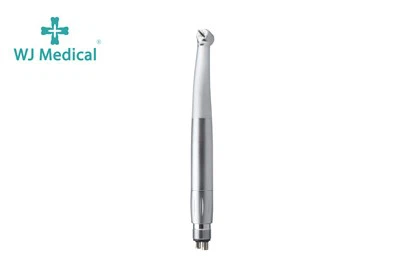
As a supplier of high-speed handpieces, we are committed to providing our customers with the highest quality products and services. Our handpieces are designed and manufactured to meet the strictest standards of performance and reliability, and we offer a wide range of models to suit the needs of different dental practices.
HYDRUMP Brand Product If you’re interested in learning more about our high-speed handpieces or would like to discuss your specific requirements, please don’t hesitate to contact us. We look forward to working with you to provide the best possible dental solutions for your practice.
References
- Dental Handpiece Technology: A Review. Journal of Dental Research.
- Principles of Dental Instrumentation. Textbook of Dentistry.
- High-Speed Handpiece Maintenance and Troubleshooting. Dental Practice Management Magazine.
Foshan Wenjian Medical Instrument Co., Ltd.
Foshan Wenjian Medical Instrument Co., Ltd. is one of the most professional high speed handpiece manufacturers and suppliers in China, featured by supplying high quality medical devices. Welcome to wholesale high speed handpiece at competitive price from our factory. For more company information, contact us now.
Address: Workshop A, Sanyi Logistics, Shishan Town, Nanhai District, Foshan City, Guangdong Province, China
E-mail: Sales24@wenjian88.com
WebSite: https://www.chinaywjmed.com/
