Can I use the same hardware fittings for indoor and outdoor applications? Hardware Fittings
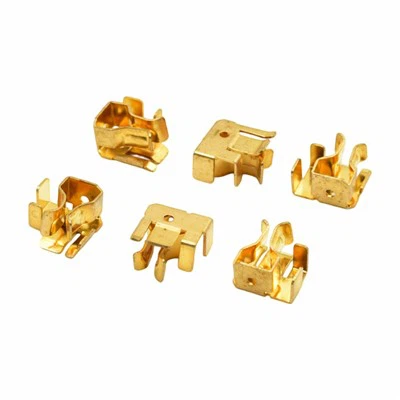
As a dedicated hardware fittings supplier with years of experience in the industry, I often encounter this crucial question from our clients: Can I use the same hardware fittings for indoor and outdoor applications? It’s a valid inquiry considering the wide range of hardware needs that both residential and commercial customers have. In this blog post, I’ll delve into the factors that determine whether the same hardware fittings can be used indoors and outdoors, and provide insights to help you make informed decisions.
Understanding the Differences between Indoor and Outdoor Environments
The first step in answering this question is to understand the fundamental differences between indoor and outdoor environments. Indoor settings are generally more controlled and protected from the harsh elements. The temperature and humidity levels are relatively stable, and there is less exposure to direct sunlight, rain, snow, and extreme weather conditions. As a result, indoor hardware fittings are not subjected to the same level of wear and tear as their outdoor counterparts.
On the other hand, outdoor environments present a much more challenging set of conditions. Hardware fittings used outdoors are constantly exposed to the elements, including UV radiation, moisture, temperature fluctuations, and pollutants. These factors can cause corrosion, rust, fading, and other forms of damage over time. Additionally, outdoor hardware may need to withstand physical stress from wind, rain, and human or animal interaction.
Material Considerations
One of the most important factors in determining whether a hardware fitting can be used indoors and outdoors is the material it is made of. Different materials have different levels of durability and resistance to the elements. Here are some common materials used in hardware fittings and their suitability for indoor and outdoor applications:
Stainless Steel
Stainless steel is a popular choice for both indoor and outdoor hardware fittings due to its excellent corrosion resistance. It contains chromium, which forms a protective layer on the surface of the metal, preventing rust and corrosion. However, not all stainless steels are created equal. For outdoor applications, it is recommended to use a higher grade of stainless steel, such as 316 stainless steel, which contains molybdenum and offers enhanced resistance to corrosion in marine and coastal environments.
Aluminum
Aluminum is another lightweight and corrosion-resistant material commonly used in hardware fittings. It is naturally resistant to rust, but it can oxidize over time, especially in high-moisture environments. To enhance its durability and appearance, aluminum hardware is often anodized or powder-coated. Anodizing creates a hard, protective layer on the surface of the aluminum, while powder coating provides a decorative and protective finish. Aluminum is a good choice for outdoor applications where weight is a concern, such as in architectural hardware and outdoor furniture.
Brass
Brass is a classic material known for its aesthetic appeal and durability. It is an alloy of copper and zinc, which gives it a warm, golden color and excellent corrosion resistance. Brass hardware fittings are commonly used in indoor applications, such as door handles, drawer pulls, and cabinet hardware. However, brass can tarnish over time, especially when exposed to moisture and certain chemicals. To maintain its appearance, brass hardware may need to be polished regularly.
Iron
Iron is a strong and durable material, but it is prone to rusting when exposed to moisture. For indoor applications, iron hardware can be coated with paint or other protective finishes to prevent rust. However, for outdoor applications, it is recommended to use galvanized iron or wrought iron, which have been treated to resist corrosion. Galvanized iron is coated with a layer of zinc, which provides a sacrificial barrier against rust. Wrought iron is a type of iron that has been heated and worked to remove impurities, making it more resistant to corrosion.
Plastic
Plastic is a versatile and cost-effective material that can be used in a variety of hardware applications. It is lightweight, easy to mold, and resistant to corrosion and moisture. However, plastic hardware may not be as durable as metal hardware, especially in outdoor applications where it is exposed to UV radiation and extreme temperatures. Some plastics may become brittle or fade over time, so it is important to choose a high-quality plastic that is specifically designed for outdoor use.
Finish and Coating
In addition to the material, the finish and coating of a hardware fitting can also affect its suitability for indoor and outdoor applications. A protective finish or coating can help to prevent corrosion, rust, and other forms of damage, as well as enhance the appearance of the hardware. Here are some common finishes and coatings used in hardware fittings:
Paint
Paint is a popular finish for hardware fittings, as it can provide a decorative and protective layer. It is available in a wide range of colors and finishes, allowing you to match the hardware to the style of your indoor or outdoor space. However, paint can chip, peel, and fade over time, especially in outdoor applications where it is exposed to the elements. To ensure the durability of the paint finish, it is important to choose a high-quality paint and apply it properly.
Powder Coating
Powder coating is a more durable and long-lasting finish than paint. It involves applying a dry powder to the surface of the hardware and then baking it in an oven to form a hard, protective layer. Powder coating is available in a wide range of colors and finishes, and it is resistant to chipping, peeling, and fading. It is a popular choice for outdoor hardware fittings, such as fences, gates, and patio furniture.
Electroplating
Electroplating is a process of depositing a thin layer of metal onto the surface of the hardware using an electric current. It can enhance the corrosion resistance and appearance of the hardware, as well as provide a decorative finish. Common metals used in electroplating include chrome, nickel, and gold. Electroplating is commonly used in indoor hardware fittings, such as bathroom fixtures and kitchen appliances.
Anodizing
Anodizing is a process of creating an oxide layer on the surface of aluminum hardware to enhance its corrosion resistance and durability. It involves immersing the aluminum in an electrolyte solution and applying an electric current to create a controlled oxidation process. Anodizing can provide a range of colors and finishes, and it is a popular choice for outdoor hardware fittings, such as window frames and door handles.
Function and Design Considerations
In addition to the material and finish, the function and design of a hardware fitting can also affect its suitability for indoor and outdoor applications. Here are some factors to consider:
Load Capacity
Hardware fittings used outdoors may need to withstand higher loads and stresses than those used indoors. For example, outdoor hinges and locks may need to support the weight of heavy doors or gates, while outdoor furniture hardware may need to withstand the weight of people sitting or standing on it. It is important to choose hardware fittings with a sufficient load capacity for the intended application.
Weather Resistance
Hardware fittings used outdoors need to be able to withstand the effects of weather, such as rain, snow, wind, and UV radiation. They should be made of materials and finishes that are resistant to corrosion, rust, and fading. Additionally, outdoor hardware may need to be designed to prevent water from pooling or collecting, which can lead to corrosion and damage.
Security
Security is an important consideration for both indoor and outdoor hardware fittings. Outdoor locks and hinges need to be strong and durable to prevent unauthorized entry, while indoor locks and hinges need to provide a secure and reliable way to lock doors and windows. It is important to choose hardware fittings that meet the security standards and requirements of your application.
Aesthetics
The aesthetics of a hardware fitting can also be an important consideration, especially for indoor applications. Indoor hardware fittings should complement the style and decor of the space, while outdoor hardware fittings should blend in with the surrounding environment. It is important to choose hardware fittings that are available in a variety of colors, finishes, and styles to meet your aesthetic needs.
Conclusion
In conclusion, while it may be possible to use the same hardware fittings for indoor and outdoor applications in some cases, it is generally recommended to choose hardware that is specifically designed for the intended environment. The material, finish, function, and design of the hardware all play a role in determining its suitability for indoor and outdoor use. By considering these factors and choosing high-quality hardware fittings, you can ensure that your indoor and outdoor spaces are both functional and beautiful.
Hardware Fittings If you have any questions or need further assistance in choosing the right hardware fittings for your indoor or outdoor application, please don’t hesitate to contact me. As a hardware fittings supplier, I am committed to providing you with the best products and services to meet your needs. Let’s start a conversation and discuss how we can work together to find the perfect hardware solutions for your project.
References
- American Society for Testing and Materials (ASTM) standards for hardware materials and coatings.
- Corrosion and Protection Handbook by J.H. Payer.
- The Handbook of Hardware and Architectural Ironmongery by Peter McCartney.
Foshan Haosheng Technology Co., Ltd.
As one of the leading hardware fittings manufacturers and suppliers in China, we warmly welcome you to buy advanced hardware fittings made in China here and get pricelist from our factory. All customized products are with high quality and competitive price.
Address: No.4, Jinsha Liansha Shangliang Development Zone Avenue, Danzao Town, Nanhai District, Foshan City, Guangdong Province, China
E-mail: 13925140140@163.com
WebSite: https://www.hssocket.com/
