When it comes to choosing a color box, there are numerous factors to take into account. As a dedicated color box supplier, I’ve been in the industry long enough to understand the challenges and intricacies my customers face. Through hands – on experience and in – depth knowledge, I’m here to share some valuable insights to assist you in making the right choice for your packaging needs. Color Box

Understanding Your Requirements
The first and most crucial step in selecting a color box is to clearly define your requirements. Are you using the box for product presentation, shipping, or storage? Different purposes will demand different specifications.
For product presentation, the box serves as the first point of contact with your customers. It should be visually appealing, accurately representing your brand image. Consider the color scheme of your brand. Every brand has a specific color palette that represents its identity. For example, if your brand is associated with luxury, colors like gold, black, or deep purple can be used to convey a sense of opulence. On the other hand, if your brand is youthful and energetic, bright and vivid colors such as neon pink, yellow, or blue might be a better fit.
If the intention is for shipping, the box must be sturdy and durable. You need to assess the weight and size of the product inside. Heavier products will require boxes made from thicker and more robust materials. Moreover, if the product is fragile, additional cushioning or protective layers might need to be incorporated into the box design.
For storage, the focus is on space – efficiency and stackability. The box should be designed in a way that it can be easily stacked without toppling over, and it should fit well in the storage area.
Material Matters
The choice of material for your color box has a significant impact on its overall quality, appearance, and cost.
Paperboard: This is one of the most commonly used materials for color boxes. It is lightweight, cost – effective, and can be easily printed on. There are different grades of paperboard available, from thin and flexible to thick and rigid. For small, lightweight products like jewelry or cosmetics, a thinner paperboard might be sufficient. However, for larger or heavier items such as electronics, a thicker and sturdier paperboard is recommended.
Corrugated Cardboard: Ideal for shipping and protecting products during transit. The corrugated structure provides excellent shock – absorption and strength. It comes in various flute sizes, with larger flutes offering more cushioning and smaller flutes providing a smoother surface for printing. If you’re shipping fragile items, a double – wall or triple – wall corrugated box can offer enhanced protection.
Plastic: Plastic color boxes are known for their durability, water – resistance, and transparency. They are commonly used for products that need to be visible, such as toys or food items. However, plastic can be more expensive than paper – based materials, and it also has environmental implications. Biodegradable or recyclable plastics are becoming increasingly popular as a more sustainable option.
Wood: Wooden color boxes exude a sense of luxury and craftsmanship. They are often used for high – end products like fine wines, cigars, or premium jewelry. Wood can be stained or painted in a variety of colors to match your brand’s aesthetic. However, wood is heavier and more expensive than other materials, and it may require additional finishing to protect it from moisture and damage.
Design and Printing
The design and printing of your color box play a vital role in attracting customers and communicating your brand message.
Graphic Design: A well – designed graphic can make your product stand out on the shelves. It should include your brand logo, product name, and any relevant information about the product. Use high – quality images and graphics that are clear and sharp. Consider the layout and composition of the design. The elements should be balanced and easy to read. For example, avoid overcrowding the box with too much text or too many images.
Printing Techniques: There are several printing techniques available, each with its own advantages and limitations.
- Offset Printing: This is a traditional printing method that offers high – quality, consistent results. It is suitable for large – scale production runs. Offset printing can reproduce a wide range of colors accurately, making it ideal for complex designs.
- Digital Printing: Digital printing is more flexible and cost – effective for small – to medium – sized production runs. It allows for quick turnaround times and can print variable data, such as personalized messages or barcodes. However, the color quality may not be as consistent as offset printing.
- Flexographic Printing: Commonly used for printing on flexible materials like plastic and paperboard. It is a fast and cost – effective method, but it may not be suitable for high – resolution designs.
Customization Options
Customization is a key factor when choosing a color box. It allows you to create a unique packaging solution that reflects your brand’s personality and meets your specific requirements.
Size and Shape: You can customize the size and shape of the color box to fit your product perfectly. Unusual shapes can attract attention and make your product more memorable. For example, a heart – shaped box for a Valentine’s Day gift or a hexagonal box for a novelty item.
Finishing Options: There are various finishing options available to enhance the appearance and durability of the color box.
- Lamination: Lamination can add a protective layer to the box, making it more resistant to scratches, moisture, and dirt. There are different types of lamination, such as gloss, matte, and soft – touch. Gloss lamination gives the box a shiny, reflective finish, while matte lamination provides a more subdued, elegant look. Soft – touch lamination adds a velvety texture to the box, which is very tactile and appealing.
- Embossing and Debossing: Embossing creates a raised effect on the surface of the box, while debossing creates a recessed effect. These techniques can be used to add a sense of depth and texture to the design, making the box more visually interesting.
- Foil Stamping: Foil stamping involves applying a thin layer of metallic or colored foil to the box using heat and pressure. It can add a touch of luxury and glamour to the packaging, especially when used for logos or important text.
Cost Considerations
Cost is always an important factor when choosing a color box. However, it’s essential to balance cost with quality and functionality.
Material Cost: As mentioned earlier, different materials have different price points. Paperboard is generally the most cost – effective option, while wood and plastic can be more expensive. Consider the long – term benefits of using a higher – quality material. For example, a more durable box may reduce the risk of product damage during shipping, which can save you money in the long run.
Production Volume: The cost of producing color boxes is often influenced by the production volume. Larger production runs usually result in lower unit costs. However, if you’re just starting out or have limited storage space, a smaller production run may be more appropriate.
Customization Costs: Customization options such as unique shapes, special finishes, and variable printing can increase the cost of the color boxes. Evaluate which customization features are essential for your brand and product, and which ones can be sacrificed to keep the cost within your budget.
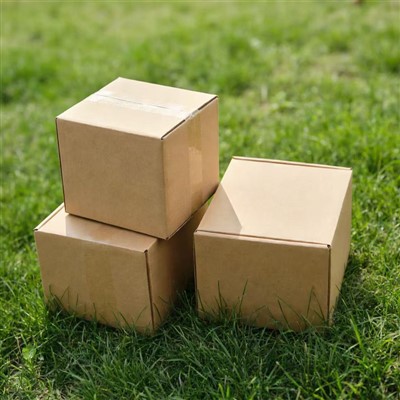
In conclusion, choosing the right color box requires careful consideration of your requirements, material options, design and printing techniques, customization possibilities, and cost. At our company, we understand that every customer is unique, and we are committed to providing you with the best packaging solutions tailored to your specific needs. Whether you’re a small business owner looking for an affordable yet eye – catching packaging solution or a large corporation in need of high – volume, customized color boxes, we have the expertise and resources to meet your expectations.
Carton If you’re interested in discussing your color box requirements or would like to get a quote, please feel free to reach out to us. We’re here to assist you with all your packaging needs and look forward to the opportunity to work with you.
References
- Packaging Materials Handbook, Third Edition by Jon G. Lillie
- The Complete Guide to Box Design and Manufacturing by Bobst
- Handbook of Package Engineering, Fourth Edition by Wilmer A. Barnes and Edward J. Hall
Hangzhou Yitian Printed Goods Co., Ltd.
We’re well-known as one of the leading color box manufacturers and suppliers in China, also support customized service. Please feel free to buy high quality color box made in China here and get pricelist from our factory. For price consultation, contact us.
Address: Room 1719-1, Building 2, Xinglan Building, No. 2333 Xixing Road, Xixing Subdistrict, Binjiang District, Hangzhou City, Zhejiang Province
E-mail: sxyunchao2023@163.com
WebSite: https://www.ytcarton.com/
