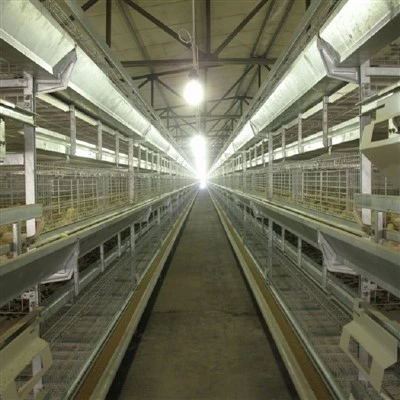
As a reputable supplier in the poultry water supply system industry, I’ve witnessed firsthand the critical role that a reliable water supply plays in the well – being and productivity of poultry farms. Emergencies in the poultry water supply system can strike unexpectedly, and if not handled properly, they can lead to significant losses in terms of bird health and farm productivity. In this blog, I’ll share some practical insights on how to handle emergencies in a poultry water supply system. Poultry Water Supply System
Understanding the Common Emergencies
1. Water Pump Failures
Water pumps are the heart of any poultry water supply system. They are responsible for moving water from the source to the poultry houses. A pump failure can occur due to various reasons such as mechanical wear and tear, electrical problems, or clogging. If a pump breaks down, the poultry will be deprived of water, which can quickly lead to dehydration, reduced feed intake, and ultimately, a decline in egg production or growth rate.
2. Pipe Leaks and Bursts
Pipes are used to distribute water throughout the farm. Over time, pipes can develop leaks due to corrosion, freezing temperatures, or physical damage. A burst pipe can cause a massive loss of water and may also flood the poultry houses, creating a wet and unhygienic environment that is conducive to the spread of diseases.
3. Water Contamination
Contaminated water is a major threat to poultry health. It can be caused by the presence of harmful bacteria, viruses, chemicals, or heavy metals. Sources of contamination can include the water source itself, poor sanitation in the water storage tanks, or the introduction of foreign substances during the water treatment process.
4. Power Outages
Since many water supply systems rely on electricity to operate pumps, filters, and other equipment, a power outage can disrupt the water supply. In regions with unstable power grids, this can be a frequent problem. Without a continuous water supply, the poultry’s survival and well – being are at risk.
Pre – emergency Preparedness
1. Regular System Inspections
Conduct routine inspections of the entire water supply system, including pumps, pipes, valves, and storage tanks. Look for signs of wear and tear, leaks, or corrosion. Inspect pumps for proper function, check the motor for overheating, and ensure that all electrical connections are secure. For pipes, examine joints for leaks and check the overall integrity of the pipes. This proactive approach can help identify potential problems before they turn into emergencies.
2. Maintenance Schedule
Establish a comprehensive maintenance schedule for all equipment in the water supply system. This includes regular servicing of pumps, cleaning of filters, and descaling of pipes. Follow the manufacturer’s recommendations for maintenance intervals and procedures. By keeping the equipment in good working condition, you can reduce the likelihood of breakdowns.
3. Backup Equipment
Invest in backup equipment, such as an extra water pump and pipes. Having a spare pump on hand can quickly resolve a pump failure issue. Additionally, keep a stock of essential replacement parts like gaskets, seals, and valves. This ensures that you can make quick repairs in case of a breakdown.
4. Water Storage
Maintain an adequate water storage capacity on the farm. This can serve as a buffer during emergencies such as pump failures or power outages. The storage tanks should be properly sealed and cleaned regularly to prevent water contamination. Calculate the amount of water needed based on the number of poultry, their age, and the environmental conditions.
Handling Emergencies
1. Water Pump Failures
- Immediate Action: As soon as a pump failure is detected, try to identify the problem. Check if the pump has lost power, if there is a clog in the intake or outlet, or if there are any visible mechanical damages.
- Use Backup Pump: If you have a backup pump, quickly switch to it. Make sure to follow the proper startup procedures for the backup pump.
- Call for Professional Help: If you are unable to diagnose or fix the problem, contact a professional pump technician. Provide them with detailed information about the pump, its model, and the symptoms of the failure.
2. Pipe Leaks and Bursts
- Isolate the Problem Area: Locate the leak or burst and close the nearest valve to isolate the affected section of the pipe. This will prevent further water loss.
- Temporary Repairs: For minor leaks, you can use pipe repair clamps or epoxy putty to seal the leak temporarily. For burst pipes, cut out the damaged section and replace it with a new pipe.
- Long – term Solution: After the emergency is resolved, assess the cause of the leak or burst. If it is due to corrosion or aging pipes, consider replacing the entire section of the pipe to prevent future problems.
3. Water Contamination
- Stop Water Supply: Immediately shut off the water supply to the poultry houses to prevent further consumption of contaminated water.
- Test the Water: Take water samples from different points in the system and send them to a laboratory for analysis. This will help identify the source and type of contamination.
- Flush and Disinfect: Once the type of contamination is determined, flush the entire water supply system to remove the contaminated water. Then, disinfect the system using an appropriate disinfectant according to the manufacturer’s instructions.
- Provide Alternative Water Source: While the system is being treated, provide the poultry with an alternative source of clean water, such as bottled water or water from a trusted alternative source.
4. Power Outages
- Switch to Backup Power: If you have a backup power generator, start it up immediately to keep the water pumps and other essential equipment running. Make sure to test the generator regularly to ensure it is in good working condition.
- Monitor Water Levels: Keep an eye on the water levels in the storage tanks. If the power outage is expected to be long – term, ration the water usage to ensure that there is enough water for the poultry until the power is restored.
Post – emergency Evaluation
After an emergency has been resolved, it is important to conduct a thorough evaluation of the water supply system.
- Assess the Damage: Determine the extent of the damage caused by the emergency. This includes evaluating the condition of the equipment, pipes, and storage tanks.
- Identify Root Causes: Analyze what led to the emergency. Was it due to a lack of maintenance, poor equipment quality, or external factors? Identifying the root causes will help you take preventive measures to avoid similar emergencies in the future.
- Update Emergency Plan: Based on the lessons learned from the emergency, update your emergency plan. This may include adding new procedures, increasing the stock of backup equipment, or improving maintenance schedules.
Conclusion
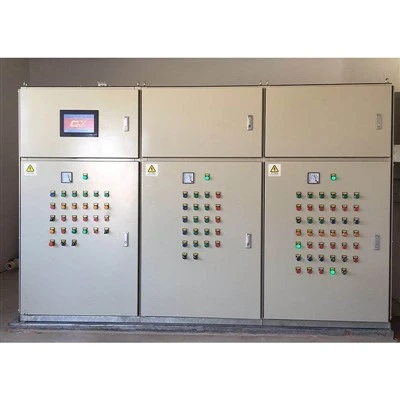
Handling emergencies in a poultry water supply system requires a combination of pre – emergency preparedness, quick and appropriate action during emergencies, and post – emergency evaluation. As a poultry water supply system supplier, I understand the challenges that farmers face in maintaining a reliable water supply. Our company is dedicated to providing high – quality water supply systems and offering comprehensive support to help farmers deal with emergencies effectively.
Poultry Water Supply System If you are looking for a reliable partner for your poultry water supply needs, we are here to assist you. Our experienced team can help you design a customized water supply system, provide training on system operation and maintenance, and offer prompt support in case of emergencies. Contact us to start a procurement discussion and ensure the long – term success of your poultry farm.
References
- "Poultry Production and Health: A Comprehensive Guide", published by Agricultural Publishing House
- "Water Supply Systems for Livestock", a technical report by the National Institute of Animal Husbandry
- Manufacturer’s manuals of various water supply system equipment
Guangzhou Guangxing Poultry Equipment Group Co., Ltd.
Guangzhou Guangxing Poultry Equipment Group Co., Ltd. is one of the most professional poultry water supply system manufacturers and suppliers in China, featured by quality products and good price. Welcome to buy CE approved poultry water supply system made in China here and get pricelist from our factory. Customized orders are welcome.
Address: NO.2 Guangxing Road,Shating Taihe Town,Baiyun Guangzhou,China
E-mail: gxservice@cnguangxing.com
WebSite: https://www.guangxingcn.com/
