As a supplier of AC servo motors, I’ve encountered numerous inquiries from customers about the technical details of these motors. One question that frequently arises is, "What is the backlash of an AC servo motor?" In this blog post, I’ll delve into the concept of backlash, its implications for AC servo motors, and how it can impact your applications. AC Servo Motor
Understanding Backlash
Backlash, in the context of mechanical systems, refers to the amount of play or clearance between mating components, such as gears or couplings. When a force is applied to a system with backlash, there is a small amount of movement or rotation that occurs before the load is actually engaged. This can result in a delay or lag in the system’s response, as well as a loss of precision and accuracy.
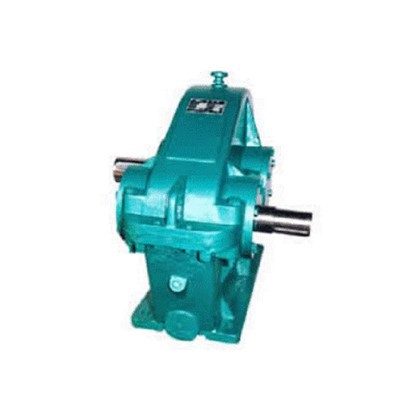
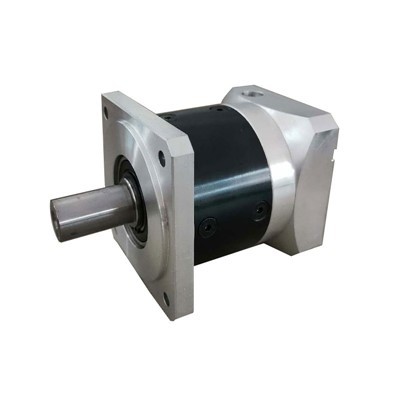
In an AC servo motor system, backlash can occur at various points in the power transmission path. For example, it can be present in the gearbox, the coupling between the motor and the load, or even in the motor bearings. When the motor is commanded to move, the backlash in these components can cause a delay in the response of the load, as the motor has to first overcome the play before the load starts to move.
Types of Backlash
There are two main types of backlash in AC servo motor systems: static backlash and dynamic backlash.
Static Backlash
Static backlash is the amount of play or clearance between the mating components when the system is at rest. It is typically measured by applying a small torque to the input shaft of the gearbox or coupling and measuring the corresponding movement of the output shaft. Static backlash is influenced by factors such as the manufacturing tolerances of the components, the preload applied to the bearings, and the wear and tear of the system over time.
Dynamic Backlash
Dynamic backlash, on the other hand, is the amount of play or clearance between the mating components when the system is in motion. It is influenced by factors such as the inertia of the load, the acceleration and deceleration of the motor, and the stiffness of the mechanical components. Dynamic backlash can be more difficult to measure than static backlash, as it is affected by the operating conditions of the system.
Effects of Backlash on AC Servo Motor Performance
Backlash can have several negative effects on the performance of an AC servo motor system. These include:
Reduced Precision and Accuracy
Backlash can cause a loss of precision and accuracy in the position control of the load. When the motor is commanded to move to a specific position, the backlash in the system can cause the load to overshoot or undershoot the target position. This can result in errors in the positioning of the load, which can be unacceptable in applications that require high levels of precision, such as robotics, CNC machining, and semiconductor manufacturing.
Poor Dynamic Response
Backlash can also affect the dynamic response of the AC servo motor system. When the motor is commanded to accelerate or decelerate, the backlash in the system can cause a delay in the response of the load. This can result in a sluggish or unresponsive system, which can be problematic in applications that require rapid and precise movements, such as packaging machinery, printing presses, and material handling systems.
Increased Wear and Tear
Backlash can cause increased wear and tear on the mechanical components of the AC servo motor system. When the motor is commanded to move, the backlash in the system can cause the gears and couplings to experience sudden impacts and vibrations. Over time, these impacts and vibrations can cause the components to wear out prematurely, which can lead to increased maintenance costs and downtime.
Measuring and Minimizing Backlash
To ensure the optimal performance of an AC servo motor system, it is important to measure and minimize the backlash in the system. Here are some methods for measuring and minimizing backlash:
Measuring Backlash
There are several methods for measuring backlash in an AC servo motor system. One common method is to use a dial indicator to measure the movement of the output shaft when a small torque is applied to the input shaft. Another method is to use a torque sensor to measure the torque required to overcome the backlash in the system.
Minimizing Backlash
There are several ways to minimize backlash in an AC servo motor system. One approach is to use high-precision gears and couplings with tight manufacturing tolerances. Another approach is to use preloaded bearings to reduce the amount of play in the system. Additionally, it is important to ensure that the mechanical components of the system are properly aligned and installed to minimize backlash.
The Importance of Selecting the Right AC Servo Motor
As a supplier of AC servo motors, I understand the importance of selecting the right motor for your application. When choosing an AC servo motor, it is important to consider factors such as the torque requirement, the speed range, the accuracy, and the inertia of the load. Additionally, it is important to consider the amount of backlash in the motor system, as this can have a significant impact on the performance of the motor.
At our company, we offer a wide range of AC servo motors with low backlash and high precision. Our motors are designed to meet the needs of various applications, from small-scale automation to large-scale industrial machinery. We also provide customized solutions to meet the specific requirements of our customers.
Conclusion
In conclusion, backlash is an important concept to understand when working with AC servo motors. It can have a significant impact on the performance of the motor system, including the precision, accuracy, and dynamic response. By measuring and minimizing the backlash in the system, you can ensure the optimal performance of your AC servo motor and extend the lifespan of the mechanical components.
AC Gear Motor If you are in the market for an AC servo motor, I encourage you to contact us to learn more about our products and services. Our team of experts can help you select the right motor for your application and provide you with the support and guidance you need to ensure the success of your project. We look forward to hearing from you and working with you to meet your automation needs.
References
- "Fundamentals of Electric Drives" by G.K. Dubey
- "Motion Control Systems: Linear and Rotational Applications" by Clarence W. de Silva
- "Servo Motors and Industrial Control Theory" by Gerhard Schmidt and Thorsten Seemuth
Zibo Auric Mechanical and Electrical Technology Co., Ltd.
As one of the leading ac servo motor manufacturers and suppliers in China, we warmly welcome you to buy advanced ac servo motor for sale here from our factory. All customized motors are with high quality and competitive price.
Address: B419, High-tech Entrepreneurship Park, High-tech Zone, Zibo City
E-mail: cui@auricmotor.com
WebSite: https://www.auricmotor.com/
